
Cooking school with hans-on cooking classes and excursions and tours in Marche,Umbria and Tuscany, Italy.
This is a small selection of some of the exhibitions that we will be able to visit in the next summer season 2023.
To receive information about availability just send us an e-mail to
info@terradarte.net or call Mob +39.333.8492998

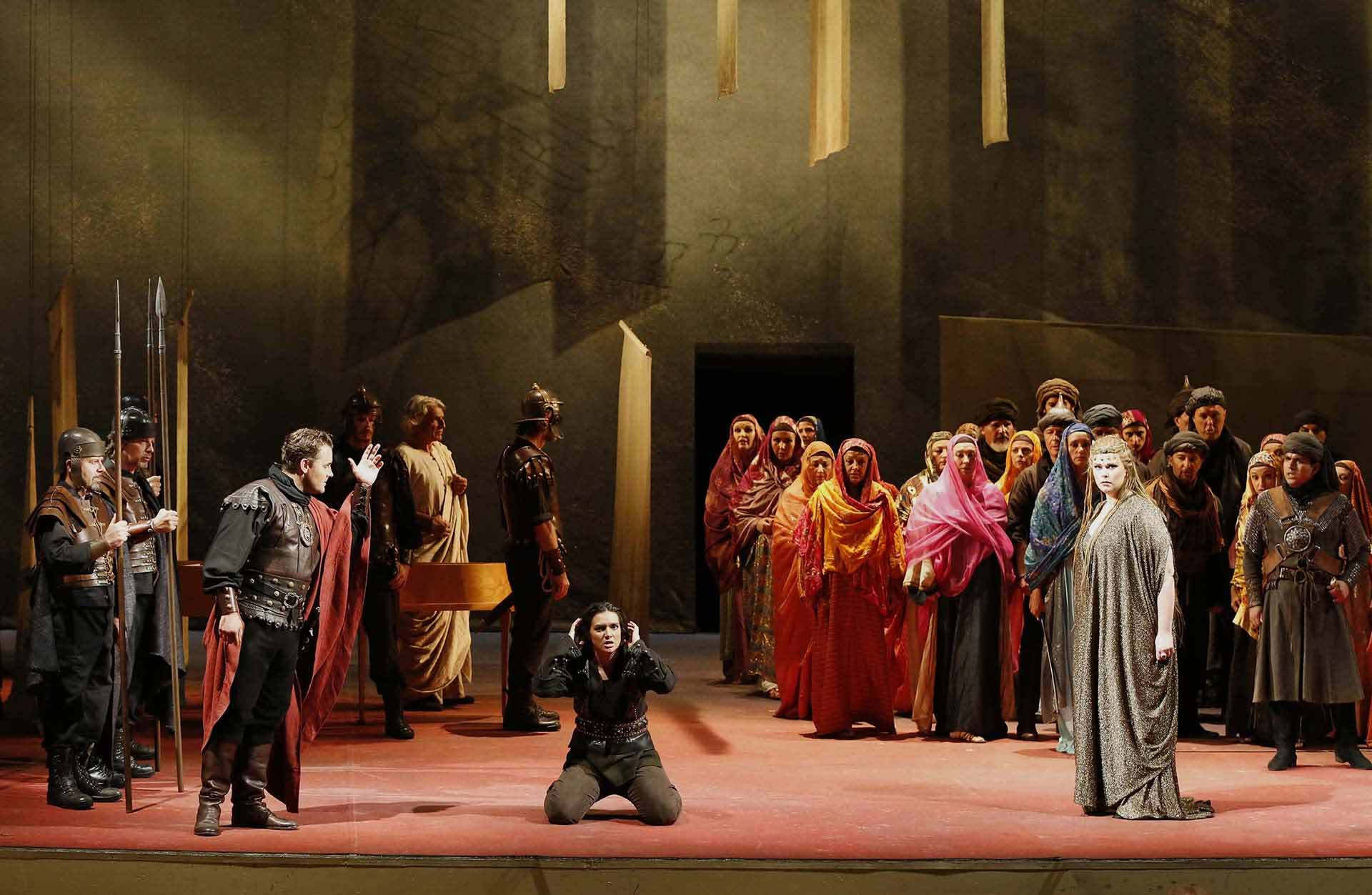
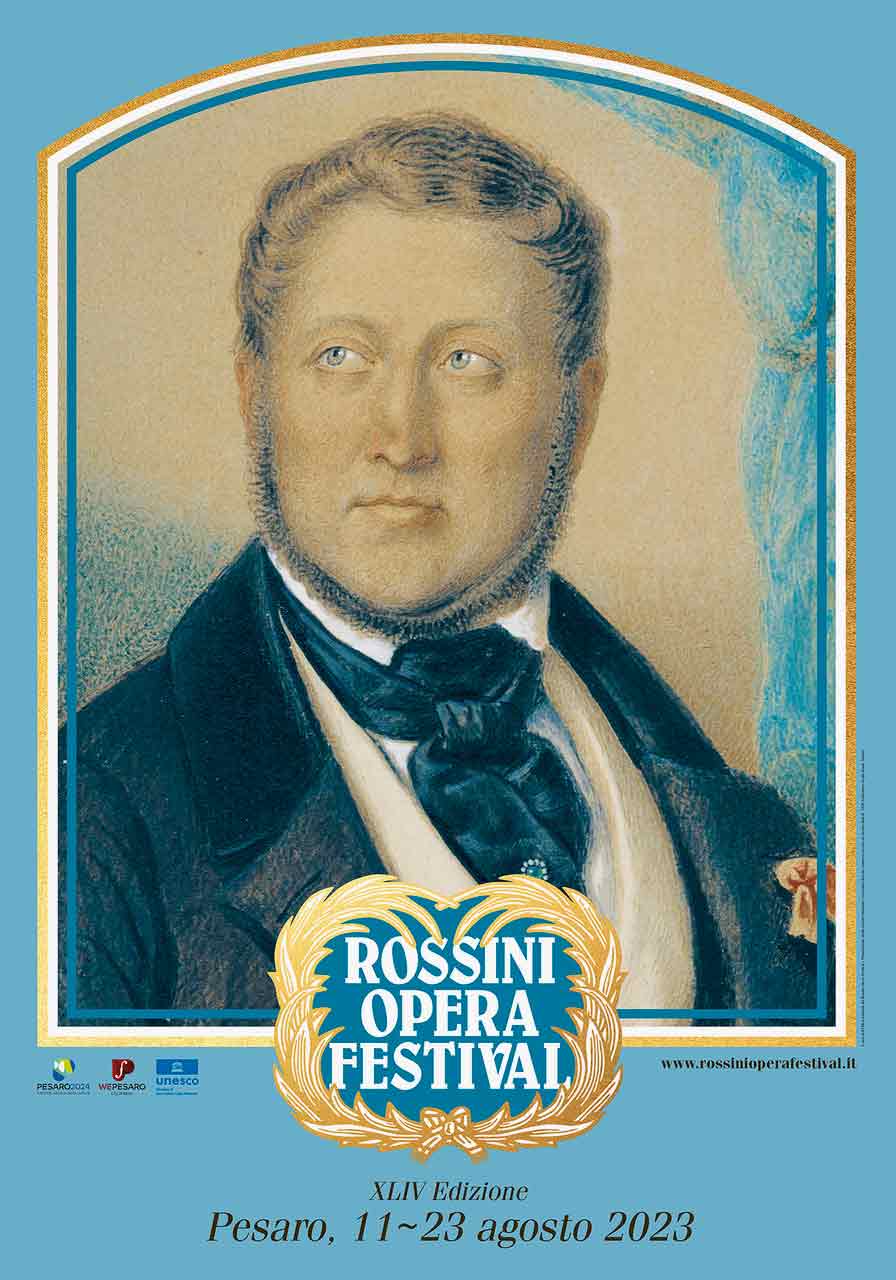
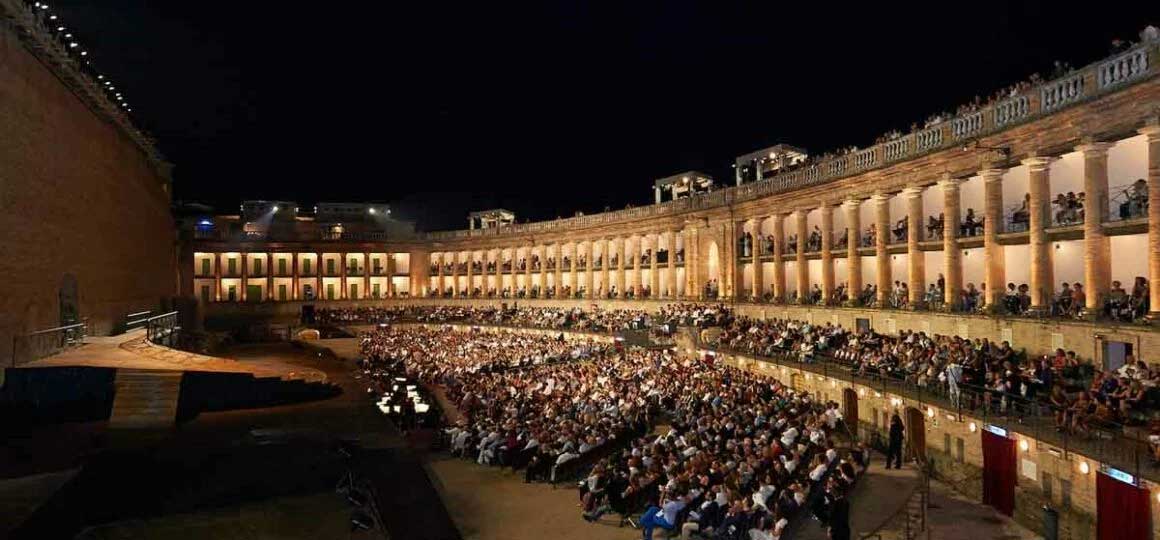
Sferisterio Macerata Opera Festival 2023.
dal 20 luglio al 19 agosto 2023 Macerata: Sferisterio
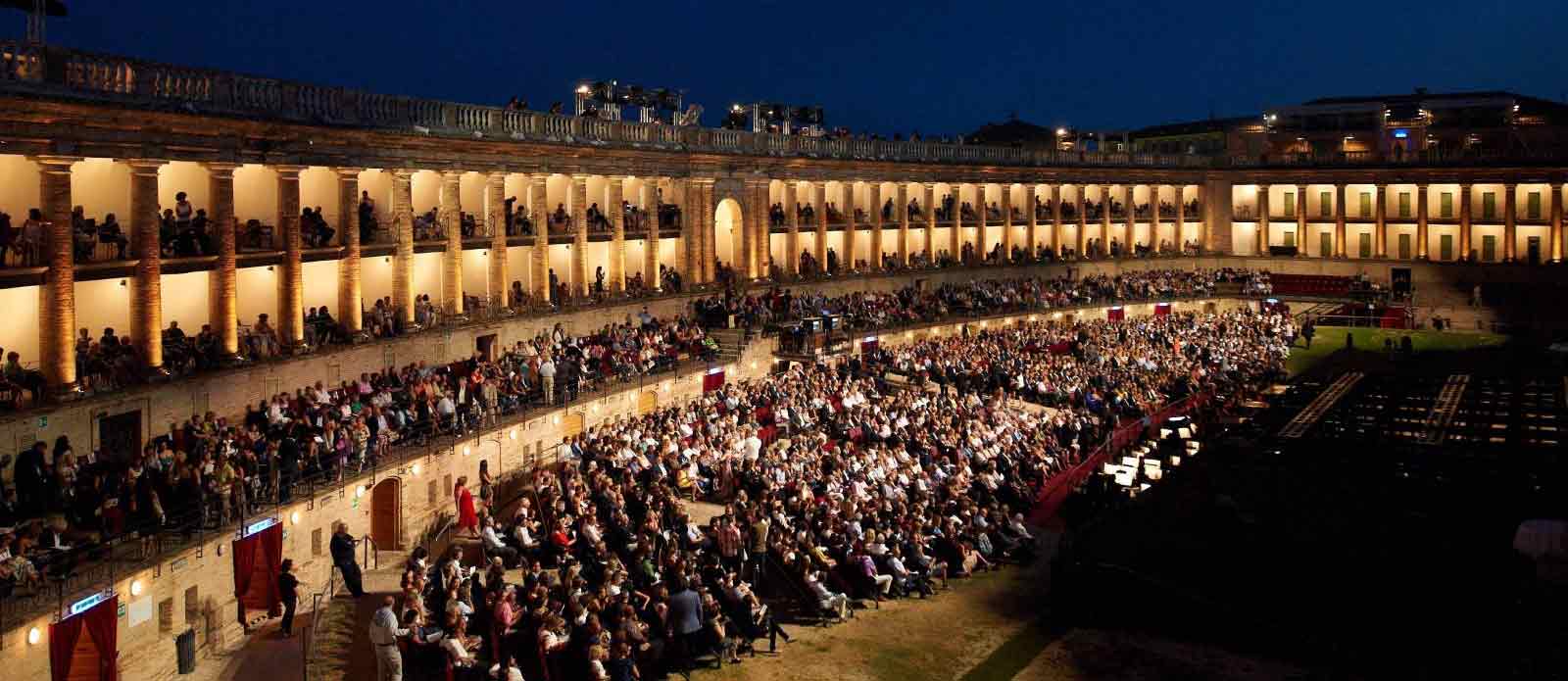
Carlo Crivelli,Le relazioni meravigliose.
Dal 7 Ottobre 2022 al 12 Febbraio 2023 Macerata: Palazzo Buonaccorsi
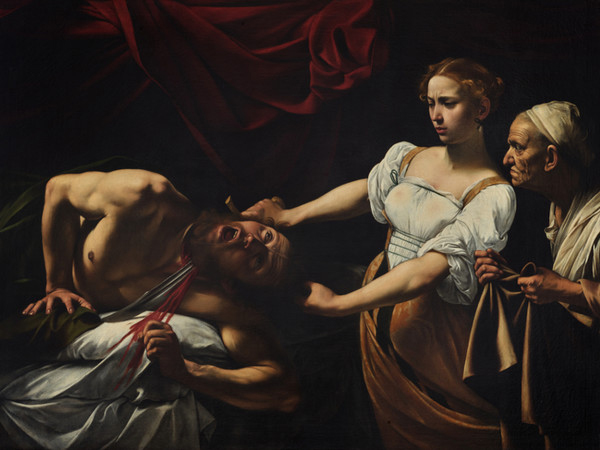
CARAVAGGIO E ARTEMISIA: LA SFIDA DI GIUDITTA. VIOLENZA E SEDUZIONE NELLA
PITTURA TRA CINQUECENTO E SEICENTO
Dal 26 Novembre 2021 al 27 Marzo 2022 ROMA: Palazzo Barberini
Arte.it
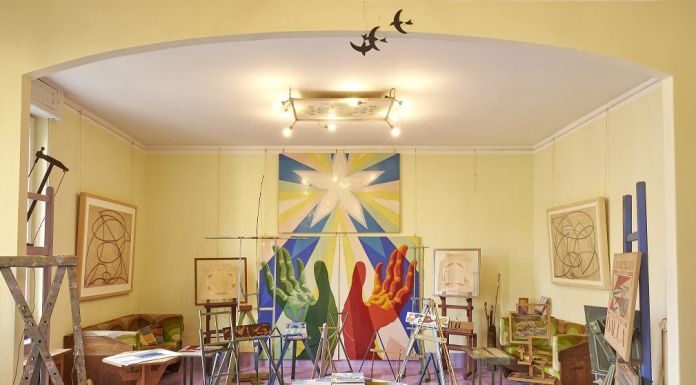
IN OCCASIONE DEI 150 ANNI DALLA NASCITA, IL MAXXI MUSEO NAZIONALE DELLE
ARTI DEL XXI SECOLO CELEBRA GIACOMO BALLA.
Luogo: MAXXI - MUSEO DELLE ARTI DEL XXI SECOLO
Indirizzo: Via Guido Reni 4a - Roma - Lazio
Quando: dal 17/06/2021 - al 31/12/2022
Stagione Lirica.
Macerata Sferisterio Opera Festival
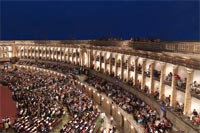

Turandot, Madama Butterfly, Aida season
Sferisterio Macerata
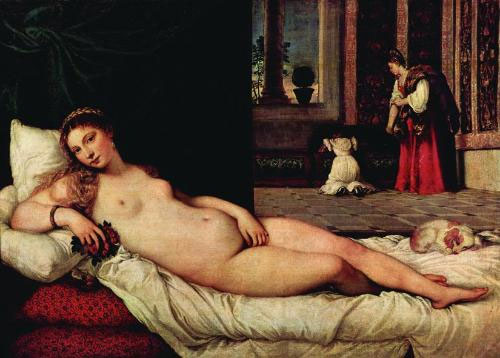
La Venere di Urbino di Tiziano torna per la prima volta nelle Marche dopo quattro secoli
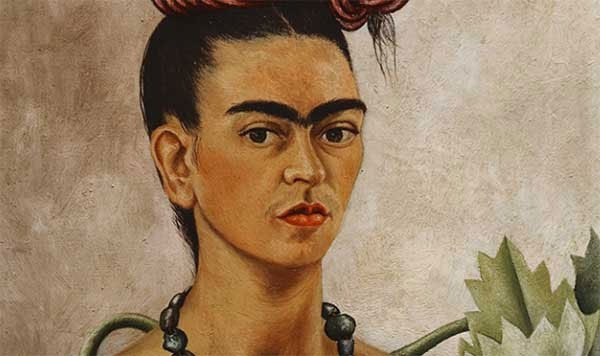
Frida Kahlo.
La Collezione Gelman: arte messicana del XX secolo, a cura di Gioia Mori
che vede protagonisti Frida Kahlo e Diego Rivera, ma non solo.
La mostra,visibile fino a marzo 2017, è promossa dal Comune di
Bologna,
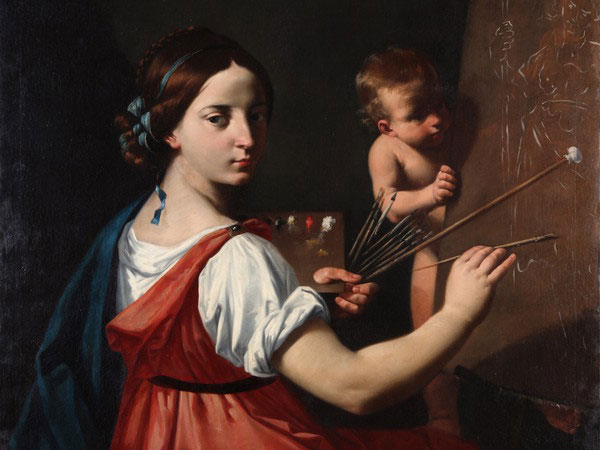
Lotto, Artemisia, Guercino.
Palazzo Campana di Osimo (AN) ospita : Lotto, Artemisia, Guercino. Le
stanze segrete di Vittorio Sgarbi.
Oltre 120 opere della collezione Cavallini-Sgarbi, per la prima volta
in Italia esposte al pubblico. Un'ottima occasione per visitare il complesso
monumentale di Palazzo Campana, capolavoro dell?architettto Andrea Vici,
che fu allievo di Luigi Vanvitelli. Dal 18 marzo e sino al 30 ottobre
2016.
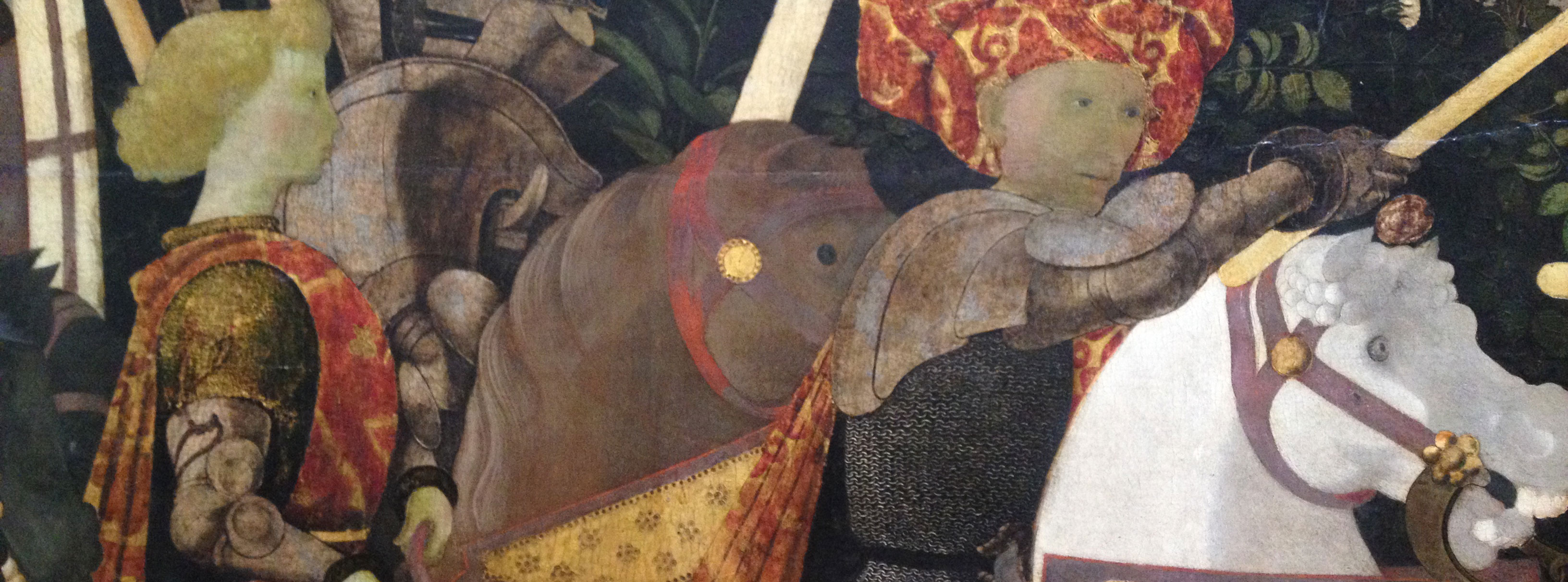
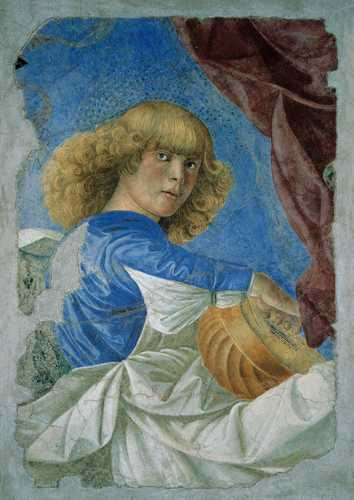
Melozzo da Forlî. Human Beauty in the Period of Piero della Francesca and Rafael.
Forlî, Museums San Domenico
The artworks of painter Melozzo da Forlî are exhibited between masterpieces
of Mantegna, Piero della Francesca, Bramante and Raphael in this wonderful
exhibit dedicated to the, in our days, less known Renaissance artist.
But Melozzo plays an essential part in the Italian Renaissance, masters
like Rafael en Michelangelo were inspired by him.
For this exhibit all the artworks that could be transported are collected
and disposed in the elegant rooms of San Domenico. Also the detached frescocyclus
that he originally made for the church Santi Apostoli in Rome, and now
divided between the Vatican Museums and the Quirinale.
An exhibition with artworks of important masters, among which Perugino,
Benozzo Gozzoli, Paolo Uccello, and among which Melozzo da Forli finds
his place of honor. An experience full of emotions, with artworks from
one of the happiest moments in Arthistory.
www.mostramelozzo.it/
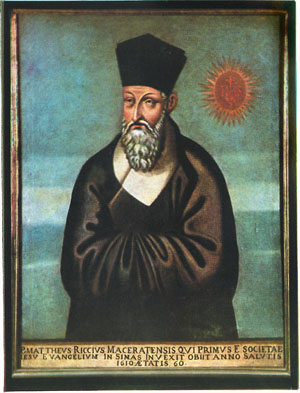
Celebrazioni dedicate a Padre Matteo Ricci.
Padre Matteo Ricci (Macerata, 6 ottobre 1552 , Pechino, 11 maggio 1610)
é stato un gesuita, matematico e cartografo italiano. La sua azione
missionaria nel territorio cinese dal 1582 alla morte, nel 1610, ha segnato
la ripresa del cattolicesimo cinese, dopo le origini dell'attivitą della
Chiesa cattolica in Cina con il francescano Giovanni da Montecorvino.
Vissuto al tempo della Dinastia Ming, Matteo Ricci ha impresso un forte
impulso all'azione evangelizzatrice ed é riconosciuto come uno
dei pił grandi missionari della Cina.
Matteo Ricci si adoperó per introdurre presso i cinesi la scienza
occidentale. Per dimostrare lo stato avanzato raggiunto dalla tecnologia
europea, mostró nei suoi incontri con i letterati confuciani e
le personalitá importanti un orologio automatico e la carta geografica
del globo. Avendo trovato delle somiglianze tra la cultura filosofica
dei mandarini e la filosofia greca, Ricci fece conoscere ai cinesi alcune
opere fondamentali del pensiero greco.
Tradusse in cinese il Manuale di Epitteto, intitolandolo "Il libro dei
25 paragrafi" e parafrasandone in senso cristiano molti passi. Nel 1607
Ricci, insieme con il matematico cinese cattolico Xu Guangqi, tradussero
i primi libri degli Elementi di Euclide in cinese. Inoltre Ricci si dedicó
alla realizzazione di un atlante mondiale in cinese, curando personalmente
la traduzione dei nomi europei nella lingua locale. Molte dei nomi da
lui coniati sono usati tutt'oggi in Cina. Ricci, inoltre, introdusse in
Europa molti aspetti della civiltá cinese, presentandoli in genere
sotto una luce favorevole. In ció ebbe un ruolo importante l'opera
del gesuita fiammingo Nicolas Trigault, che tradusse in latino i suoi
diari di viaggio, fornendo una versione ancora pił idealizzata della classe
dirigente cinese.
www.comune.macerata.it